What It’s Like To … Be a Female Hypeman in Nigeria
M.I.A is one of Nigeria’s very few female hypemen, infusing energy, wit, charm, and personality into the Nigerian nightlife scene. Her goal is world domination.
Nelson C.J.NelsonC.J.Lagos-Based West Africa Correspondent
“Only a few years into the industry, and M.I.A has already disrupted the notions of who can be a hype-person.”courtesy of M.I.A
To pull off a memorable Nigerian party these days, there are a few elements that mustn’t be missing from the agenda. You’ll need a great location, surplus drinks and food, a fantastic DJ, and most crucially, you’ll need a hype-person. One with enough energy to guide the party through the DJ sessions and serve as the energy conductor for the event.
Hype culture has always been a useful aspect of party culture in Nigeria. It’s an ancient form that exists in different corners of Nigerian culture. In Yoruba culture, for instance, it appears as praise chants, a tradition of hailing individuals or groups to lift their spirits.
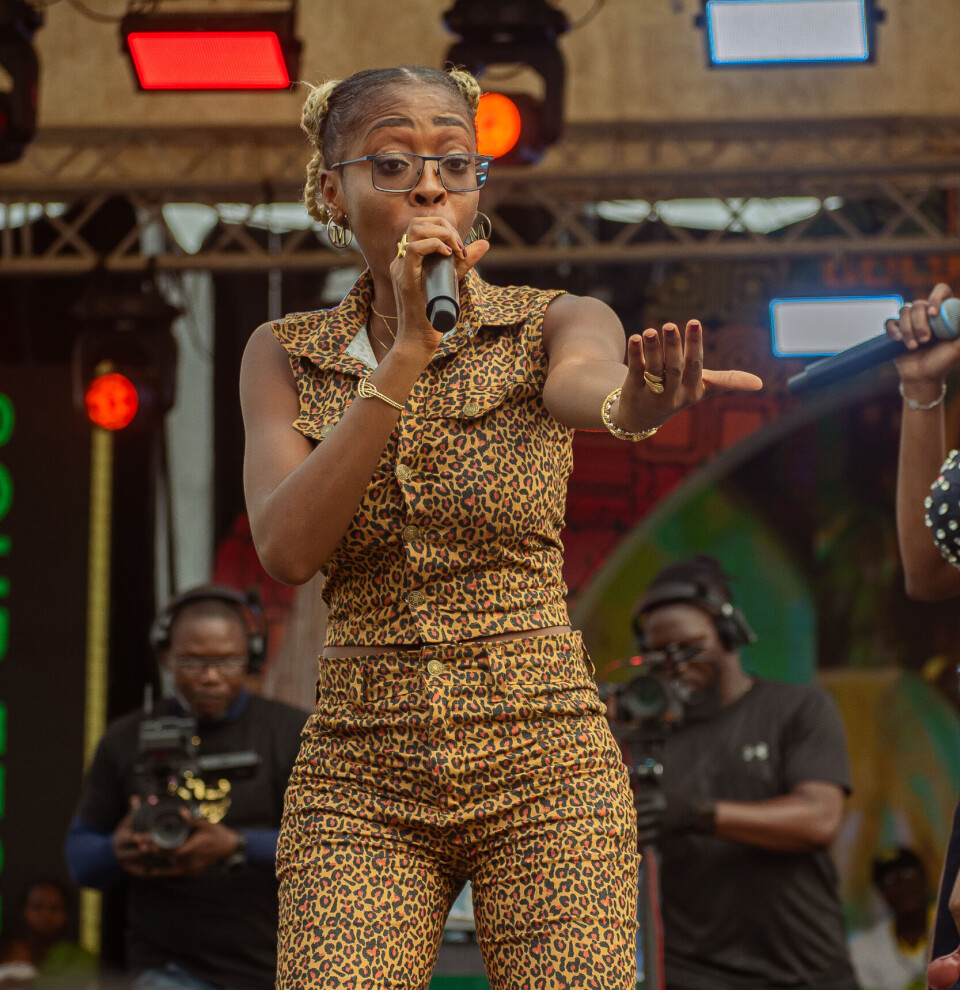
Hypeculture in its modern format, however, does more than lift people’s spirits. It anchors the excitement level of most gatherings. A good hype-person can set the tenor of an entire party, and can, like a music director, dictate the swell and groove of the party’s energy. Hype-persons often rely on witty chants, catchphrases repeated at a melodic pace, popular internet dances performed live, and sometimes invented phrases and slang. It’s almost like being an electrical conduit between the DJ and the guests and requires just as much energy.
This is why the craft has historically been carried out by men. In the years since hype culture gained popularity, through viral sounds like “Ameno remix”, the hype industry has been populated by men. Like many parts of the entertainment industry, it has also been besieged by sexism, hype men known for misogynistic and provocative chants, and a boys' club energy. It is this industry that Melody Ifeanyi Adigbo (stage name: M.I.A), a hypewoman and broadcaster, works in. Only a few years into the industry, and M.I.A has already disrupted notions of who can be a hype person.
Below, she talks about getting into the industry, finding her stride, the limitations of being a woman in a male-centered industry, and where she hopes to take her craft next.
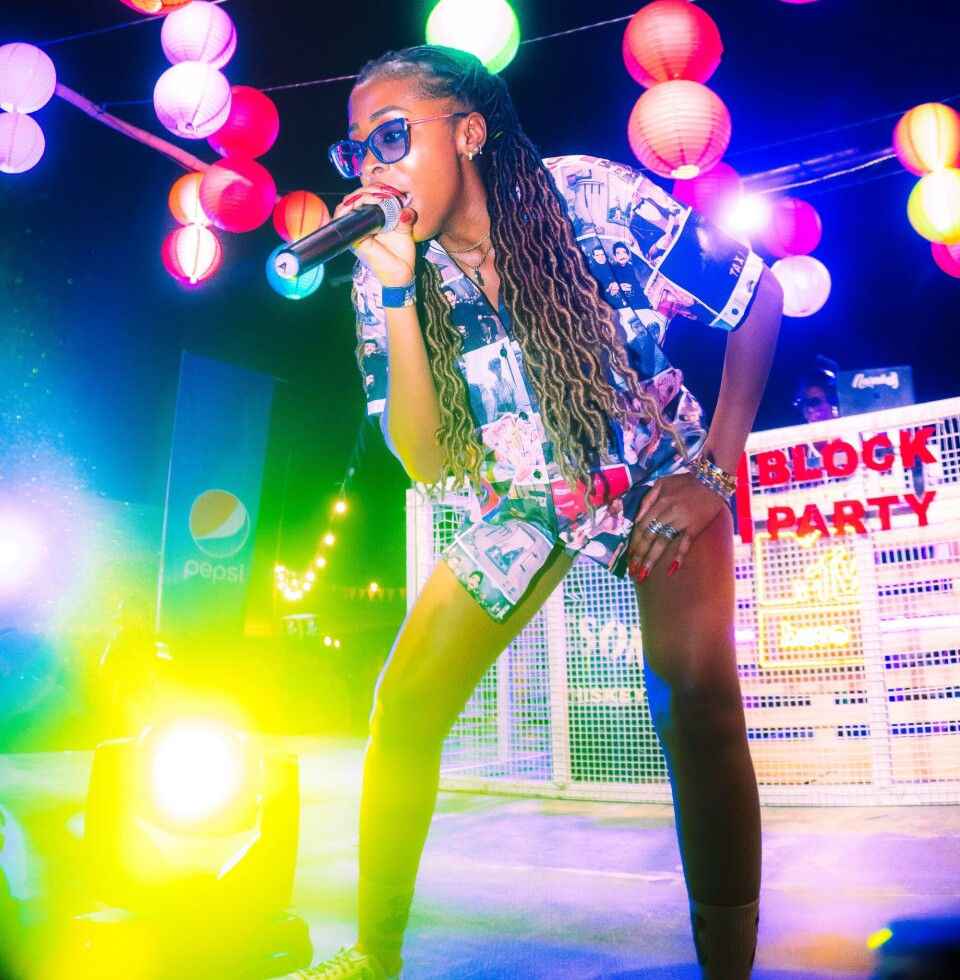
“Hype also involves making sure the crowd feels and understands how the DJ would like them to feel with the music they’re playing.”courtesy of M.I.A
M.I.A: Being a hypewoman is somewhat like being an event host, but with greater responsibilities. It’s about making people at a party feel good and directing the energy of the show from the beginning to the end. When you go to a party, there are different types of people. You have people who are sad or happy. You have people who are not really sure that they want to be there. So my job is to make sure that everybody who has come out of their house has a great time by the time they're ready to go home.
Hype also involves making sure the crowd feels and understands how the DJ wants them to feel through the music they’re playing. Hyping is demanding. You have to be witty and funny. Then you need great energy and a wealth of musical knowledge; the latter hasn’t been an issue for me since I am a radio broadcaster. You also have to be a people person. Because I'm a dancer, I use dancing most of the time as part of my onstage performance. It’s also important, especially in Nigeria, to stay up to date on internet trends. More often than not, you’ll have to bring it to life on stage, whether it's the dance trend or a popular phrase off TikTok. It helps that I am chronically online.
I got into hyping by mistake. I knew I was going to be a communicator in media and entertainment, but I thought it would be on national TV or hosting events like pageants, which used to be popular in Nigeria.
When I got into the university, I hosted events, pageants, red-carpet events, and online TV. But by the time I graduated, I realized there weren't many TV stations, but there were a lot of radio stations, and that's how I got into radio. To prepare for radio life, I had to attend the National Broadcast Academy to study the basics of radio broadcasting.
“But there's a downside to fame. And that is, the more famous you get, if your money does not match, there's a problem with that.”courtesy of M.I.A
They would often throw parties and put me as the vibe connector. So there was an MC, but I would be charged with talking to people, delivering my witty one-liners, dancing to encourage others to dance as well, and generally keeping the energy in the room at a hundred. The goal was to make people come out of their shells. After a few stints hyping in Ibadan following my time at the Academy, I started doing brand and club activations and have now found myself on big stages, touring with artists like Ckay.
I've come to realize the level of responsibility it entails. At the level I'm doing it and the way I'm doing it, nobody is doing it like that. And I've become a representation for a whole lot of people. One upside of working in this industry is being a woman who can break boundaries and make them question their beliefs that it is a man's job. That's been a joy for me every time. That's one of the things I miss the most, and that's why I want to break into new markets, because I'm looking for the thrill I used to really feel when I started. Not just Afro beats, I want to break into hip-hop, R&B, because if you listen to some R&B records, hype as a career in parties is also different from hype as a career in music, and we've always had hype as a career in music.
But there's a downside to fame. And that is, the more famous you get, if your money does not match, there's a problem with that. It's a woman's job. Another downside is dealing with periods, and also the harassment that comes with it, because once you're a hot woman, everybody wants to have a taste of you. It’s been hard to get people to believe in hype. Trying to get people to believe in hype as a career and invest in it, because just like every business, this also needs investors. But there's the trying to prove yourself twice that you can actually do it too, that you don't have to book me, and I would give you the best. Hyping is actually profitable. Once you can make a name for yourself, you can turn your name into even more money. I am not afraid to say I want to be famous or wealthy.
“My routines also involve keeping my voice warm, listening to high-energy music, and staying away from air conditioning the week before a performance.”courtesy of M.I.A
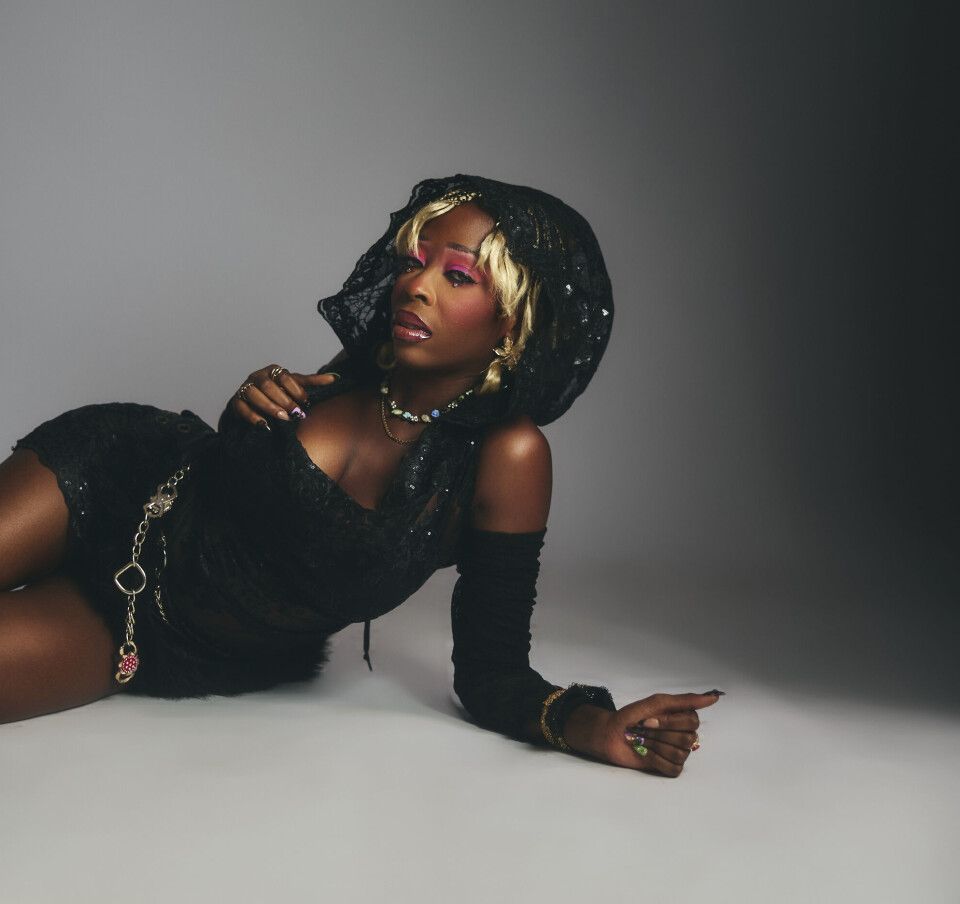
My process before each performance always begins with the outfit. I'm a performer. So I look at performing artists who are very good in their craft, and what they wear, and what is appealing. And I take all of this and add it to how it can be M.I.A. The outfit has to be ready at least 3 days before I climb on stage. Right now, I'm working with Skarface to design my stage looks. I need to be clear-minded. I stay off heels. I wear a lot of flats throughout the week before it's time for me to perform, when I permit myself to wear heels. My routines also involve keeping my voice warm, listening to high-energy music, and avoiding air conditioning the week before a performance. I also reduce how much I talk before I'm ready for an event.
This year, I'm very focused on platforming women in my field. The latest edition of my event,