For Women in Kenya’s Music Industry, Staying Safe Is Hidden Labor
In Kenya, women in music tell OkayAfrica that safety is still too often something they have to figure out for themselves. We spoke to artists, managers, publicists, and more about the issue.
Paula AdhisPaulaAdhisNairobi-Based East Africa Correspondent
Behind the music, many women are still navigating rooms shaped by unequal power.by south_agency/via Getty Images
When Kenyan singer-songwriterKarunopened Embe Studio in Nairobi, she was building the kind of space she wished had existed when she was starting out.
“I found myself in so many unsafe situations just having to rely on other people to record,” she tells OkayAfrica, reflecting on the early period of her career. Many of the studios were in men’s homes or bedrooms, where comfort and safety could quickly give way to something more precarious.
“If you bring in a young girl there at night, that could end up in a really unsafe situation,” she says.
That is why she opened her own studio: “It’s a neutral space. It’s not someone’s house, and there are other creatives around.”
In Kenya and across East Africa, women in music say safety is too often treated as something they must figure out for themselves. Their concerns go beyond physical risk to include emotional strain, creative control, financial exploitation, and the everyday calculations required to move through male-dominated spaces with too few clear rules. Across interviews conducted on- and off-the-record, one truth came up again and again: women are still being forced to build the protections the industry has yet to provide.
To Faiza “Fay” Hersi, who currently managesXenia Manassehand runs Soul Headquarters, looking after an artist also means managing risk. A big part of her job involves pushing back, asking questions, and managing her client's access because she knows how differently women are handled.
“[Whenever Xenia Manasseh travels], for example, I need verification of where she’s going, who’s gonna be there, [and] the ratio between men and women there for me to determine whether she can go on her own,” Hersi says. “People will meet her and be like, ‘Hey, I have a business proposal …’ I can never let her go for those meetings alone.”
In one case, after being invited to a multi-day writing camp, Hersi asked for the accommodation details and attendee list. She saw that Manasseh would be the only woman there. “Because she’s the only female, I’m not comfortable, and she’s not comfortable coming to the camp unless I come with her,” she recalls telling organizers. This is not something she would have to think about with a male artist. “This is just the reality of being a woman.”
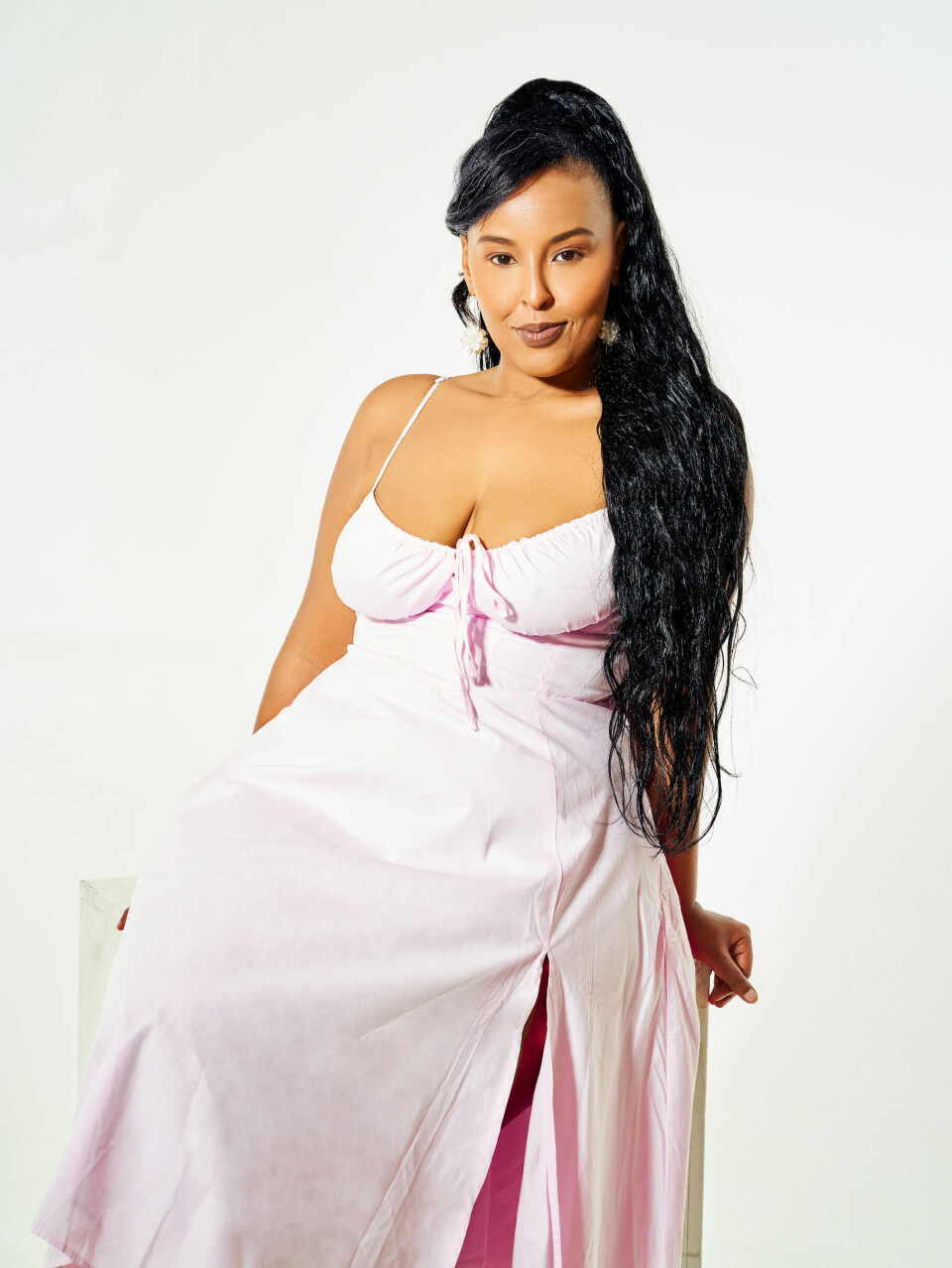
Faiza “Fay” Hersi, who manages Xenia Manasseh, says managing a woman artist means doing more than building a career. It also means constantly assessing risk, asking hard questions, and refusing to treat access as neutral.by Brian Casshis
Those calculations are not only about physical safety, but about what can happen to a woman’s work, bargaining power, and sense of control once she is in the room. For newer artists still finding their footing in the industry, there are often fewer safeguards. The duoWe Are Nubiasays that can mean relying heavily on reputation when choosing who to work with. Gloria Munga and Maggie Atieno say they cannot control everything that might happen in a room, but they can control who they enter it with.
“Some of it isn’t in our control,” Munga says. “But we really take safety measures by working with people who have a good track record… people who feel safe to us.”
The problem goes beyond Kenya. OkayAfrica spoke to women across East Africa who said finding safety can be tricky in the music industry at large. They described spaces where unequal power could quickly create openings for manipulation and exploitation. Gabrielle Chams, the sister and manager of Tanzania’sAbigail Chams, says safety is a top priority, shaped by past experiences of long nights in studios where they were often the only women in the room. But the deepest damage for female artists, she says, is often emotional.
“Constantly having to prove yourself, set boundaries, and navigate uncomfortable or unsafe situations can lead to anxiety, self-doubt, and burnout,” she told OkayAfrica. "On the other hand, compromising your values for the sake of opportunity can result in guilt, loss of identity, and long-term emotional distress.
Either way, she adds, “the mental health impact on young women in music is significant and not spoken about enough.”
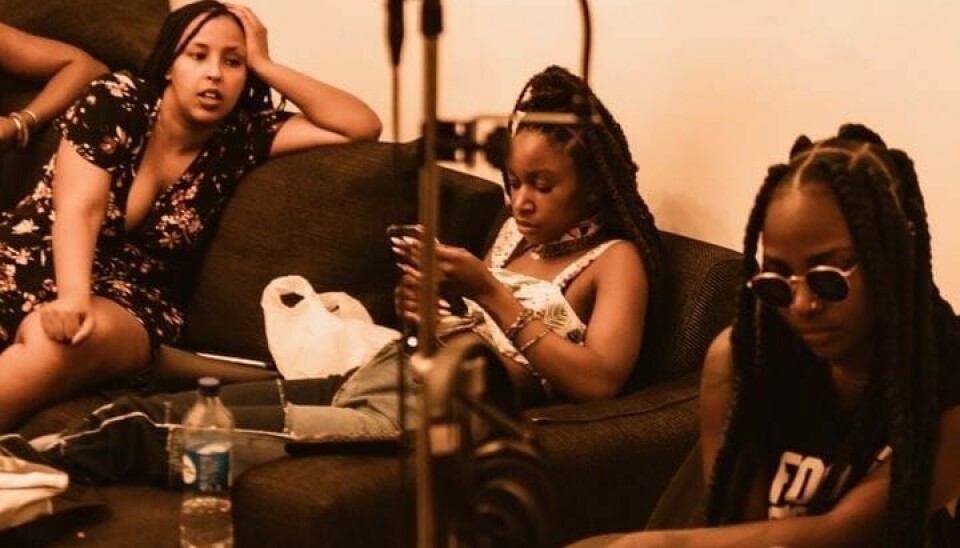
Gabrielle Chams, who manages her sister Abigail Chams, says the deepest damage for female artists in the music industry is often emotional.courtesy of Gabrielle Chams
Who Controls The Room
And even once the work begins inside the studio, the risks do not necessarily end. Multiple interviewees say women artists still deal with producers who withhold stems, change terms after the work is done, or use their technical expertise to belittle them and assert greater control over the process. Karun says that same imbalance shapes who gets recognized as a producer in the first place. Though she has long been involved in production — her degree from Berklee College of Music is in production — she says women’s creative direction is often minimized or credited elsewhere.
“It’s also usually [a] backlash when you do claim [producer credit],” she says.
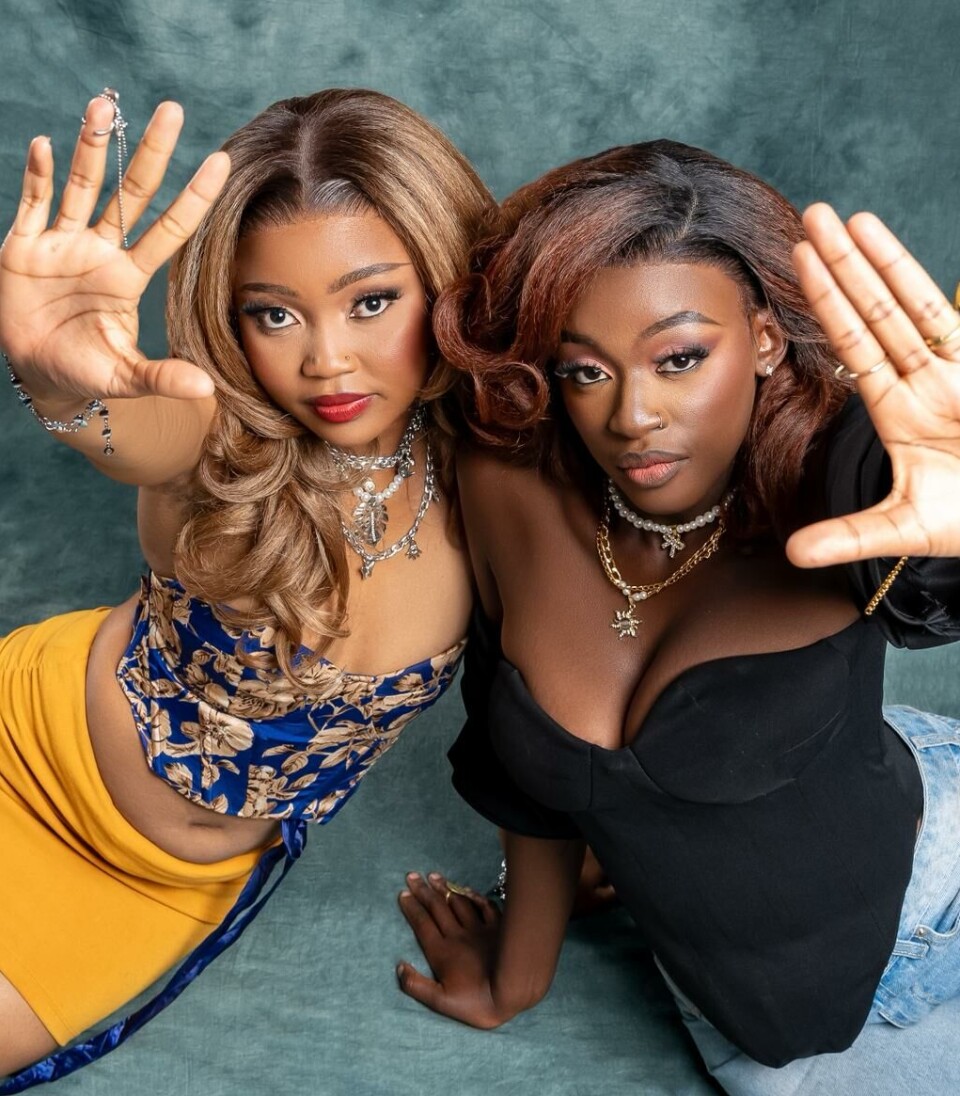
“Some of it isn’t in our control,” says We are Nubia. “But we really take safety measures by working with people who have a good track record… people who feel safe to us.”courtesy of We are Nubia
The numbers back up that imbalance. According to the USC Annenberg Inclusion Initiative’s annual Inclusion in the Recording Studio study, women held just 5.9% of producing credits in 2024, while 93.3% of songs across the study’s 13-year sample were made without a single woman producer. Though U.S.-focused, the study mirrors concerns voiced by women across these interviews about who gets recognized as a producer.
That statistical imbalance can shape even the smallest decisions inside the studio. In one recent session, Hersi described, a producer ran Manasseh’s vocals through an AI tool without her consent, then tried to present it as “standard” practice. When challenged, he did not take it well.
“So it’s just like that power play,” Hersi says. “It’s just very misogynistic in the room, if that makes sense.”
For Faiza “Fay” Hersi (L), artist management also means protection, shaped by the reality that women in music are often handled differently from men.courtesy of Faiza Hersi
When the Room Changes, the Risk Doesn’t
Beyond the studio, Anyiko Owoko says those same calculations around safety, access, and professionalism follow women into the rest of the music ecosystem, from media rooms and events to nightlife spaces and the places where artists and their teams are expected to keep moving professionally, no matter how uncomfortable the environment becomes.
Owoko, whose Nairobi-based firm Anyiko PR has long worked across Kenya’s entertainment industry, recalls accompanying a female client to an interview with a male radio presenter. Once the on-air conversation ended, the presenter began repeatedly telling the three women in the room to “make sure you get some tonight.”
What stayed with her was not only how brazen the comments were, but what they revealed about the space itself. “I just looked at him and shook my head, like no, no, no. Don’t talk to us like this,” she tells OkayAfrica, still sounding disgusted. “Imagine a young girl who just came from university or high school, and she’s starting to intern with this kind of guy. I cannot imagine what he would take them through.”
Owoko’s takeaway was simple: “This is not a safe environment for a woman. I would not want a woman to be working with this kind of guy.”
In her view, that is what makes safety in Kenya’s music industry a structural problem. “There’s just no standard,” she says of much of the local scene. “Everyone is adjusting to what works for them.”
Instead of clear professional standards, women end up improvising. They leave early, insist on taxis once it gets late, read the room carefully, think twice before private meetings, and quietly compare notes about who feels safe and who does not.
“I think everyone is adjusting to what works for them. And then I think [it’s] talked about within the industry, within our own silos and circles, but not like publicly,” she says. At the same time, she adds, the industry is more likely to discuss topics such as management, online data, training, and strategy than to discuss women’s safety seriously.
Sometimes, the only safe option is to leave the industry altogether. Almost every woman interviewed for this story spoke of a female artist or colleague who had exited the industry, especially when harassment, mismanagement, and financial exploitation began to pile up. Some also spoke about how close they had come to walking away themselves.
“I don’t think I would still be in the industry if I didn’t have to start my own company,” Owoko says. “I had to track my own path. I had to start my own company. I had to have my own standards for myself.”
Building What’s Missing
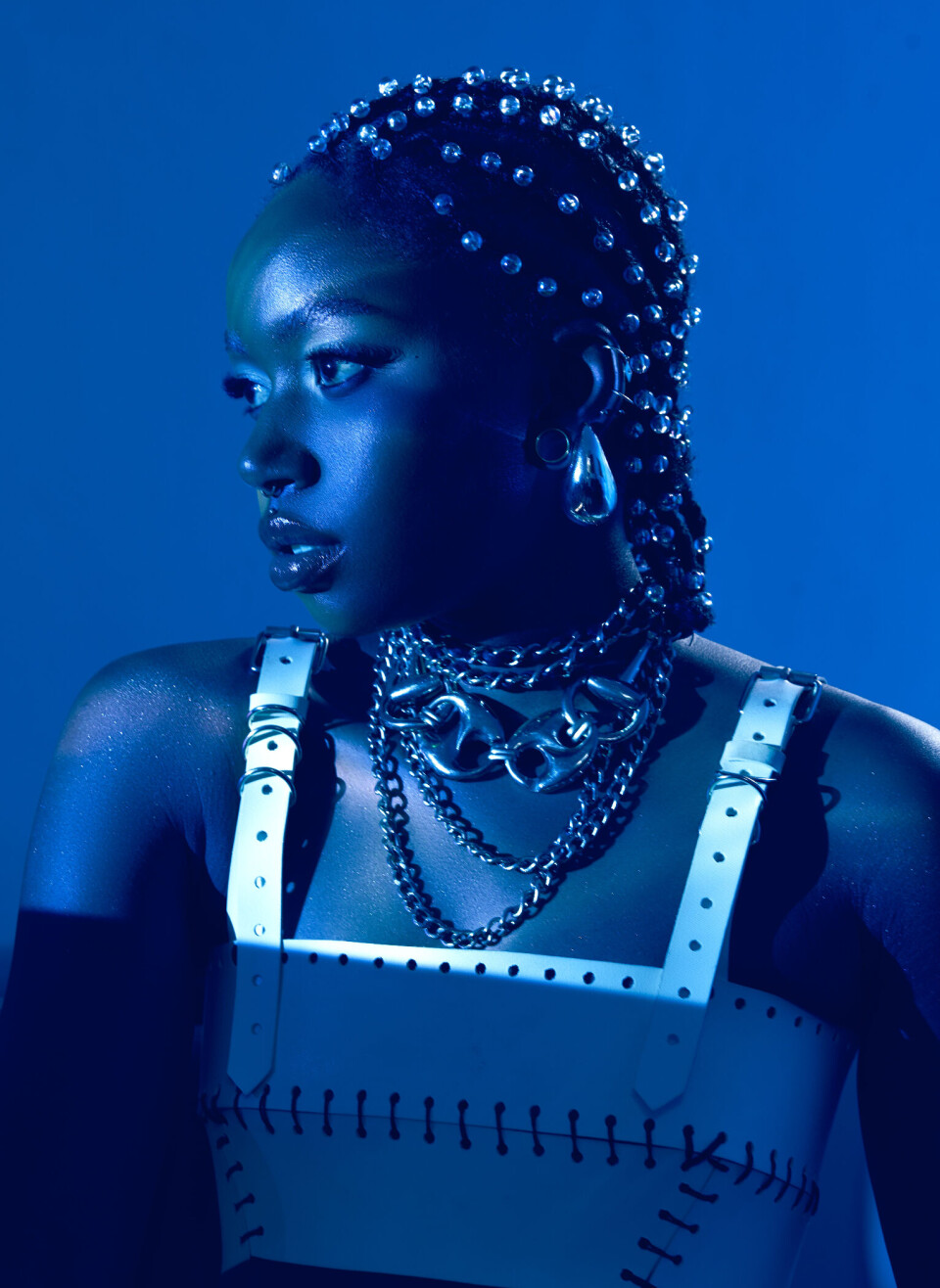
Someone asked me if I’d ever manage a man, and I honestly said I don’t know if I’d bring much value to that dynamic,” Karun says. “Men move so differently in this industry. My expertise is in protecting women… that’s what I come with first.”courtesy of Karun
Still, what emerges from these conversations is also the collective response.
Karun has Embe Studio and has quietly taken on managing three young women artists, using her experience to help keep them out of the kinds of rooms and pressures that nearly had her step away from music altogether. “Someone asked me if I’d ever manage a man, and I honestly said I don’t know if I’d bring much value to that dynamic,” Karun explains. “Men move so differently in this industry. My expertise is in protecting women… that’s what I come with first.”
Others are building more deliberate teams, stronger peer networks, and more intentional ways of sharing information. Hersi pointed to a female managers’ group chat that began in Kenya at the end of 2025 and now includes around 20 managers handling many of the country’s biggest acts, both male and female. It’s the kind of “sisterhood,” as Hersi puts it, that women in the industry have too rarely been able to rely on.
Taken together, the women interviewed described safety as a set of conditions that should be considered basic across the industry: neutral, professional spaces; transparent terms; respect for creative boundaries; shared language and consequences when lines are crossed; and more women in decision-making and technical roles, so walking into a room does not immediately feel like a risk. It also means collective, women-led structures strong enough that individual women do not have to quietly carry safety on their own.
At its core, Hersi says, safety means being able to focus on the art itself. “It’s about creating a space where you can focus on your talent, feel comfortable enough to express yourself, and be at ease with who you are.”