Sudanese Lessons in Optimism and Endurance Amid the War
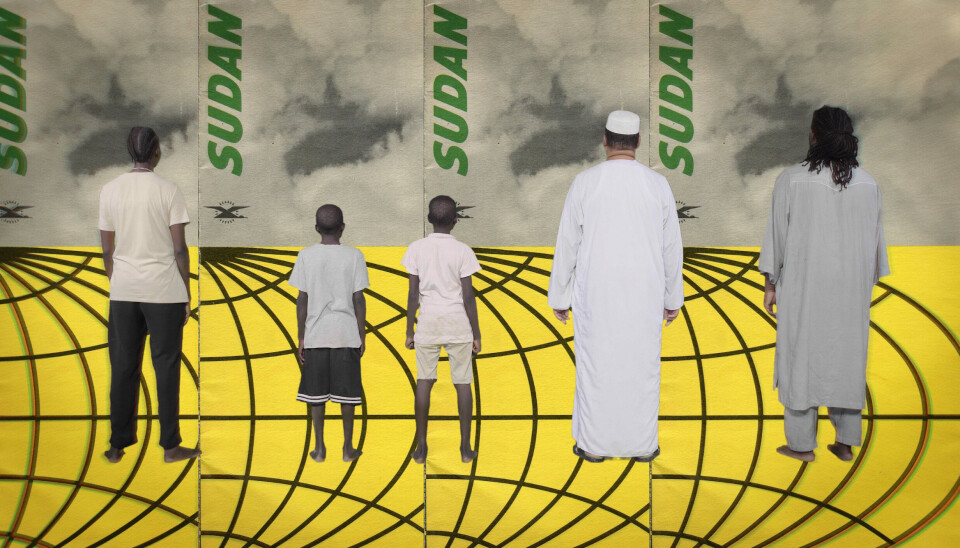
In 2025, the Sudanese people, suffering in what is widely considered to be Africa’s worst war, show powerful lessons on preserving hope, faith, kindness, and humor.
“I've seen our capacity to do good even with the rarest resources and in the toughest times. I see people who lost everything and are still willing to give and help one another.” - Mazin Alrasheedby Mazin Alrasheed
“The amount of resilience that I have seen in Sudan is phenomenally higher compared to the other countries that I worked in. You see misery everywhere, and when you ask someone, ‘How are you?’ they say ‘Alhamdulillah’ [Praise be to God],” Mercy Corps’ Country Director for Sudan, Kadry Furany, toldOkayAfrica earlier this year.
2025 has been a devastating year for Sudan. Words cannot begin to describe the loss and pain, and yet Sudanese people have not given up. Musicians and activists like Mustafa and the team behind Nile Nights are continuing to fundraise. Journalists like Yousra Elbagir, Hiba Morgan, and Sara Elhassan are constantly reporting. The community has not stopped listening to and amplifying the voices of those who are risking their lives on the ground.
“People have been through the worst of the worst, and they’re still grateful for what they have,” Furany said. “They feel that this is a test and they will make it.” In that spirit, here’s a rather random selection of moments that helped sustain hope this year.
Still from the film Khartoum, which won multiple prizes at film festivals this year.by co-directors Anas Saeed, Rawia Alhag, Ibrahim “Snoopy” Ahmad, Timeea M. Ahmed, Phil Cox
Mutual aid, Emergency Response Rooms, and community kitchens
In 2025, Sudan’s Emergency Response Rooms won the Rafto Prize and were strong contenders for the Nobel Peace Prize. In a war that destroyed most institutions and cut off many communities from humanitarian aid, grassroots efforts of thousands of volunteers on the ground, supported by those in the diaspora, have been the only lifeline. The community kitchens feeding hundreds of families are an inspiring example of community resilience and humanity that endures even under the most horrific circumstances.
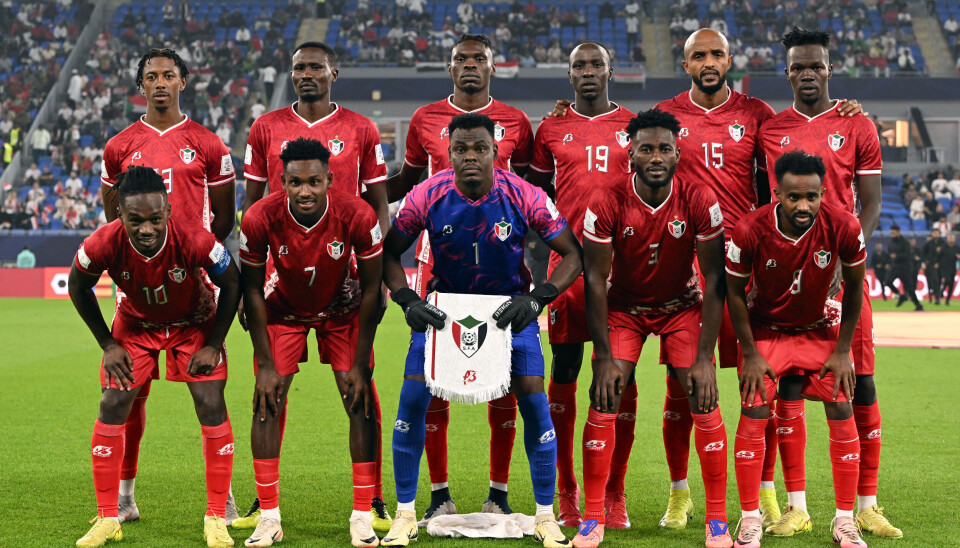
"Every time the national anthem plays during a game, you can see that every player is emotional. This demonstrates how much each player cares about playing well and giving it their all to restore happiness to our people." - Abdelrahman Kuku, Sudan national team defender.by Tullio Puglia - FIFA/FIFA via Getty Images
Football
“Sudan's national football team has no stadium, no home crowd, and no functioning league. Yet somehow, the Falcons of Jediane are defying every expectation,” wrote Aida Abbasher in an article entitled How Football Has Carried Sudan Through Empire, Strikes, and War back in April when the Sudanese team stood a chance at qualifying for the 2026 FIFA World Cup. They didn’t qualify in the end, but the power they bring to the games is emblematic of the strength the Sudanese people have maintained against all odds.
"The recent success of Sudan's national football team in the World Cup qualifiers has been nothing short of inspiring," Sudan FA consultant Badran Albatal told OkayAfrica. "At a time when our nation is facing immense suffering and displacement, football has managed to do what politics could not — it paused the sound of war, even if just for 90 minutes."
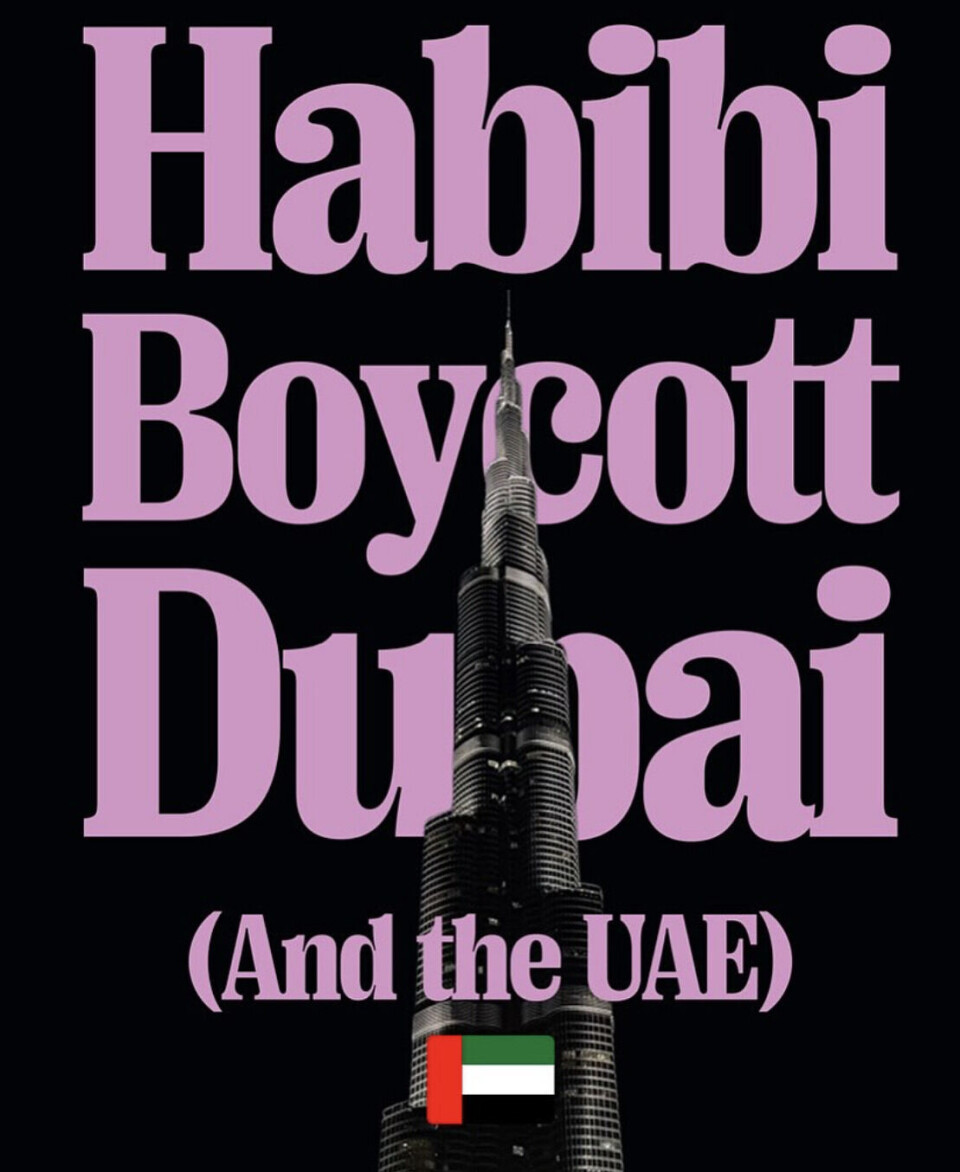
The ongoing social media campaign #HabibiBoycottDubai is raising awareness of the UAE’s lethal role in the Sudan genocide.by @mo.alriashi @filmzephyr
#HabibiBoycottDubai
The United Arab Emirates (UAE) is the Rapid Support Forces’ unofficial sponsor as they commit genocide against non-Arab Sudanese with impunity. Neither international governments nor the International Court of Justice have held the UAE accountable for its crimes. Under #HabibiBoycottDubai, a play off the Habibi come to Dubai-slogan, more and more people in the international community are advocating for a boycott of the UAE, most notably Macklemore and Greta Thunberg. There’s still a long way to go, but every person who becomes aware of the blood that fuels Dubai’s gold market is a win.
A possible decline of FGM
Perhaps the only positive news coming out of the world’s biggest displacement crisis: in the first study of its kind, Equality Now and Tadwein for Gender Studies looked at how perspectives around female genital mutilation (FGM) might be changing in Egypt's Sudanese migrant communities. The studies found that mothers who have been taken out of their communal context are less likely to let their daughters undergo FGM when the grandmothers who usually enforce it are absent.
Saudi Arabian Crown Prince Mohammed bin Salman asked President Donald Trump to take action
This was hardly a reason to celebrate, but many Sudanese in Saudi Arabia did. Since the world has been willfully ignoring the war in Sudan, and the involved countries continue to deny their own complicity, we can hardly blame people for getting excited when somebody finally speaks up on their behalf. Sara Elhassan posted a darkly humorous video about Trump’s speech after he had learned that “there’s a place on earth called Sudan.”
Khartoum wins prizes at festivals all over the world
The brilliant documentary invites audiences into the tragedy and beauty of Sudan, from the revolution to the war and beyond. It put Sudan on the map and received significant international recognition at Sundance and Prague's One World Film Festivals, and won prizes at the Berlinale, International Film Festival and Forum on Human Rights, Vancouver International Film Festival, Hot Docs, and DocsBarcelona. "It's not just another sad story from Africa," co-director Timeea M. Ahmed told OkayAfrica. "It shows complex Sudan through these very interesting characters. It puts a face to the numbers, but it's also a movie you can enjoy, laugh at, and cry at.”