NEWS

Today in Africa — May 5, 2026: Sudan Says Ethiopia & UAE Involved in Khartoum Airport Drone Attack, Zambia Pushes Back on U.S. Aid Terms

OkayAfrica has scoured the Internet for today’s major news stories, so you don't have to. On May 5, coverage includes: Sudan trading blame over new strikes on Khartoum; Zambia clashing with Washington over health aid, data privacy, and control of critical minerals; and more.

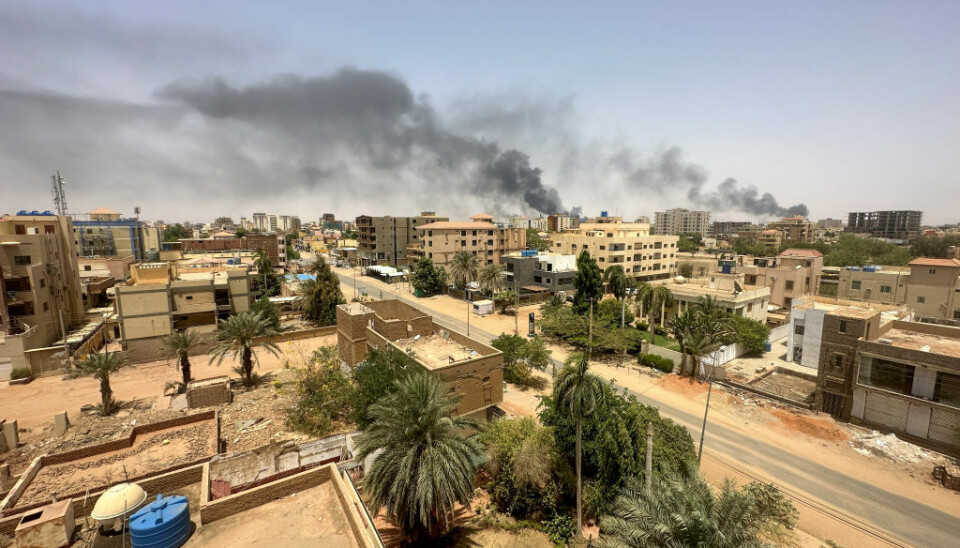
Smoke billows out of buildings in Sudan’s capital, Khartoum.
Sudan has accused Ethiopia and the UAE of playing a role in a drone strike on Khartoum Airport.

Every day, OkayAfrica shares a roundup of news we’re following but haven’t published as full articles. These short updates cover what’s happening on the continent — in culture, politics, and beyond. For more on stories like these, be sure to check out our News page, with stories from across the regions.

Sudan Accuses Ethiopia and UAE of Role in Drone Strike on Khartoum Airport

Sudan’s military has accused Ethiopia and the United Arab Emirates of involvement in a drone attack on Khartoum International Airport, part of a wave of strikes that has broken months of relative calm in the capital. Ethiopia has strongly denied the allegations, calling them baseless, while the attacks come as people, government offices, and international agencies had only recently started returning to Khartoum after the army retook control of the city last year.

What’s happening now:

  • Sudan says evidence from downed drones links recent attacks to Ethiopia’s Bahir Dar airport and the UAE.

  • No injuries or damage were reported at Khartoum airport, which resumed operations after safety checks.

  • Recent drone strikes also hit Omdurman, al-Obeid, and Kenana, including one attack that killed five civilians on a bus.

  • Drone warfare has become central to Sudan’s war, which the United Nations calls the world’s worst humanitarian disaster.

  • The renewed attacks come amid fresh defections from the Rapid Support Forces, adding new strain to the conflict.

Zambia Pushes Back on U.S. Health Deal Over Data and Minerals

Zambia has accused the United States of trying to link a proposed $2 billion health support deal to access to its critical minerals, while also demanding broad access to sensitive health data. Zambia’s foreign minister called recent corruption claims by outgoing U.S. ambassador Michael Gonzales “mischievous” and “undiplomatic,” saying talks stalled over privacy concerns and U.S. demands for preferential treatment in Zambia’s mineral sector.

Why the deal is drawing scrutiny:

  • Zambia says proposed data-sharing terms would violate citizens’ privacy rights.

  • The U.S. says its new country-by-country health deals are meant to reduce donor dependency and strengthen local ownership.

  • Ghana rejected a similar agreement over health data concerns, while Zimbabwe ended talks over a proposed $367 million package.

  • In Kenya, a $2.5 billion U.S. health agreement has been paused after a court challenge over data protection.

  • Health advocates warn that the new model could create a parallel global health system in which African countries share data without guaranteed access to vaccines, diagnostics, or treatments developed from it.

Mali’s Junta Leader Is Now President & Defense Minister After Deadly Attacks

Mali’s military leader, Assimi Goïta, has taken on the role of defense minister while remaining president, days after Defense Minister General Sadio Camara was killed in a suicide bombing at his home in Kati. The move comes after coordinated attacks by al-Qaida-linked JNIM fighters and Tuareg separatists from the Azawad Liberation Front shook the country, with militants seizing key towns and military bases in one of Mali’s biggest assaults in years.

What’s happening now:

  • Former armed forces chief General Oumar Diarra has been appointed deputy defense minister.

  • Authorities have arrested military personnel, civilians, and political figures suspected of links to separatist and militant groups.

  • A former minister and critic of the junta was abducted from his home by armed men over the weekend, according to his family.

  • JNIM has set up roadblocks around Bamako, disrupting movement and blocking the route between the capital and the western city of Kayes.

  • Mali’s security crisis has deepened under military rule, despite the junta’s shift toward Russia as its main security partner after French and United Nations forces left the country.

In Brief: More Stories Today

WHO Suspects Rare Person-to-Person Spread in Cruise Ship Virus Outbreak

The World Health Organization says some rare human-to-human transmission may have occurred among close contacts aboard the Dutch cruise ship stranded off Cape Verde after a hantavirus outbreak left three people dead and several others ill. Health officials believe the first infections may have happened before boarding in Argentina or during island excursions, while testing continues to confirm whether the Andes strain, one of the few hantaviruses known to spread between people, is involved.

Mauritanian Opposition Lawmakers Jailed Over Posts Criticizing President

Two opposition lawmakers in Mauritania have been sentenced to four years in prison after posting messages calling for President Mohamed Ould Ghazouani’s removal and accusing the justice system of racial bias against Black citizens and descendants of enslaved people. Their lawyers and rights activists have condemned the ruling as politically driven in a country long criticized over human rights abuses and the continued presence of modern slavery.

Tanzania’s President Says She Was Left Out of Refinery Plans in Her Own Country

Tanzania’s President Samia Suluhu Hassan has publicly questioned why plans for a major regional oil refinery in Tanga were announced by Kenya’s President William Ruto and Aliko Dangote without her knowledge. The proposed refinery would process oil from across East Africa and connect Tanzania to Kenya by pipeline, but Hassan’s remarks have raised questions about how the project is being handled politically.

DRC’s Military Helicopter Deal Turns Into $54.5 Million U.S. Court Fight

A military aviation contract meant to refurbish seven helicopters for the Democratic Republic of the Congo has turned into a $54.5 million legal battle in U.S. federal court after a contractor accused Kinshasa of failing to pay. The case has now been reopened, with both sides ordered into mediation, adding legal pressure as the DRC also faces conflict in the east and growing competition over its critical mineral wealth.

Mozambique’s Debt Pressures Raise Fresh Fears of Default

Mozambique is facing mounting financial strain, with investors and ratings agencies increasingly expecting the country to restructure its only international bond as debt pressures grow. Delayed gas projects, post-election unrest, weak growth, and rising costs tied to fuel and fertilizer imports have deepened the crisis in a country already grappling with poverty, climate shocks, and insecurity.